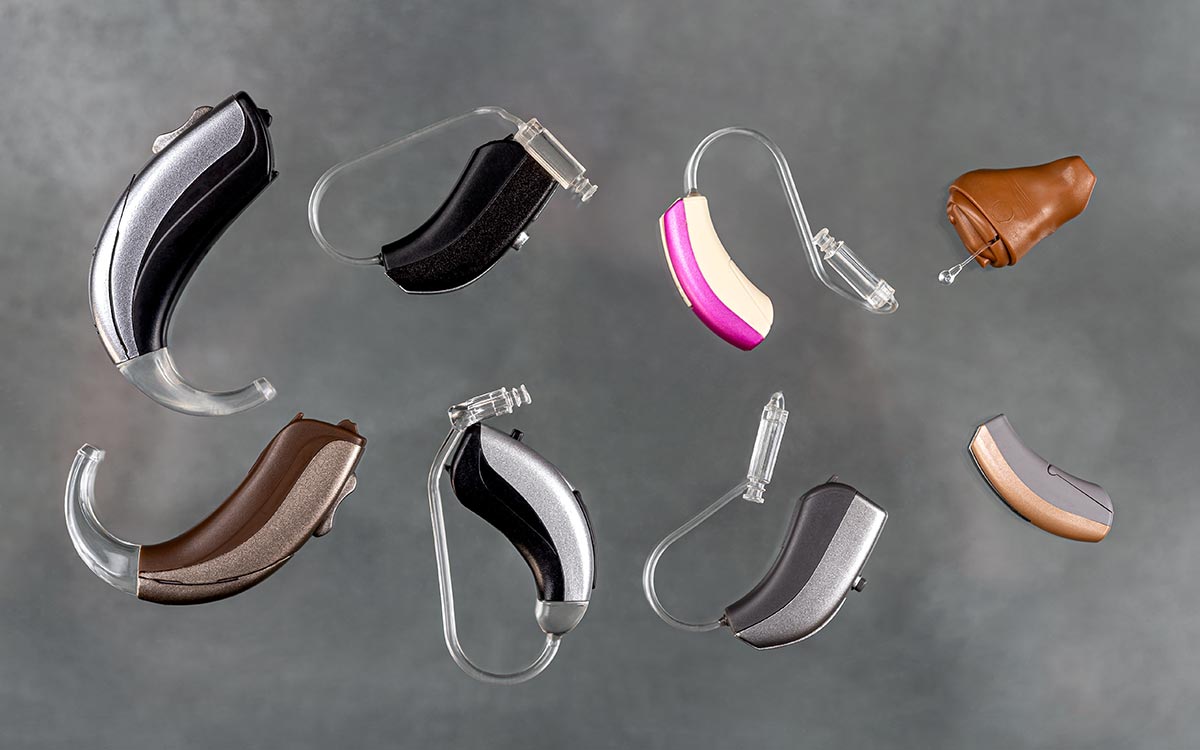
With so many choices in terms of dimensions, style, and technology, the process of picking an instrument can feel quite intense. Fortunately, there is an ideal hearing solution for every individual, regardless of their lifestyle or the severity of their hearing loss. The key is merely identifying the one that fits you best.
Feeling certain about your choice begins with knowing how different hearing aids function and compare. This guide examines the most popular styles and highlights the specific advantages each one offers.
In-the-Canal (ITC) Hearing Aids
The Layout:
ITC models are custom-made to sit within the ear canal, though an inconspicuous part of the shell remains visible in the ear’s outer portion.
Why people choose them:
- Provides a subtle appearance compared to traditional styles
- Individualized molding guarantees long-term wearing comfort
- Works effectively for people experiencing mild hearing challenges
ITC devices offer a good equilibrium between visibility and functionality, making them an ideal choice for first-time users.
IIC (Invisible-in-Canal) Technology
Core Characteristics:
IIC hearing aids are the smallest custom style available. This style fits deep in the ear for an entirely covert appearance.
Why they are popular:
- Offers the most subtle look of any hearing aid style
- Strategic positioning allows for an incredibly organic listening experience
- Designed for ease with an incredibly small footprint
Due to their miniature stature, these aids are generally recommended for low-to-mid-range hearing loss and users who want total invisibility.
ITE (In-the-Ear) Model Overview
Structural Info:
ITE devices are constructed to reside in the outer ear area, offering two different shell sizes based on your anatomy. Every device is specifically personalized to match your ear’s unique shape.
The Benefits:
- An appreciably larger casing houses advanced tech and more powerful batteries
- The physical size is easier to grip and adjust for users with fine motor concerns
- Effective for an extensive spectrum of hearing impairments, ranging from mild to severe
The all-in-one nature of the ITE style makes it a favorite for those who dislike behind-the-ear equipment.
Behind-the-Ear (BTE) Hearing Aids
Summary:
These devices sit on the outer portion of the ear’s anatomy. Audio travels through a specialized tubing or custom-fit mold into the ear opening.
Key Strengths:
- Offers a long-lasting and flexible solution for various environments
- Can be programmed to assist users with everything from mild to profound loss
- Big enough to house sophisticated software and modern rechargeable technology
For those who value a reliable device that is easy to manage and provides plenty of volume, BTE is an excellent choice.
Modern RIC Models
Component Layout:
RIC hearing aids appear similar to BTE models, but the speaker (receiver) sits inside the ear canal rather than inside the device behind the ear.
Why they are popular:
- Minimizes the “plugged up” feeling for more pure hearing
- Small, feather-light, and comfortable
- Flexible enough to treat a broad range of hearing impairments
RIC units are extremely popular today because they balance appearance with powerful functionality.
Extended-Wear Device Details
Usage Summary:
Extended-wear models are fixed devices that an expert fits into the ear for an interval of several weeks.
The Appeal:
- Perfect for wearers who want to bypass the routine of handling hearing aids daily
- They are virtually hard for others to notice because of their depth
- You can move about your whole life—including sports and rest—while wearing them
These models are the best option for a low-maintenance, seamless hearing experience.
Wireless Smart Syncing
Operation:
Auditory aids with wireless connectivity that sync with smartphones, tablets, computers, and sometimes TVs.
Why go wireless:
- Stream calls, music, and audio straight to the hearing aids
- Gives you the power to adjust your volume and programs via an electronic app
- Provides the ultimate in ease for people who use smartphones regularly
Most contemporary RIC, BTE, and ITC hearing aids now offer an advanced version.
Middle-Ear Implants
Procedure Info:
A surgical method that works by vibrating the tiny bones inside the ear to provide amplified audio.
Medical Motivations:
- Provides an answer for individuals with anatomy that prevents the use of conventional aids
- Solves the issue of ear discomfort caused by regular hearing aids
A complete meeting with an ENT professional is necessary before considering an auditory implant.
Selecting Your Ideal Hearing Solution
There is no one single “ideal” hearing aid; rather, there is a best one for you, determined by your medical needs and personal comfort. An expert care professional can lead you through your choices, answer questions, and help you experience how different devices look and feel.
Start moving toward a world of superior sound by arranging an appointment with an expert specialist. This simple action is the foundation for improved hearing and better connections with those around you.
Sources:
https://www.mayoclinic.org/diseases-conditions/hearing-loss/in-depth/hearing-aids/art-
20044116
https://www.hearinglife.com/hearing-aids/types
https://www.nidcd.nih.gov/health/hearing-aids