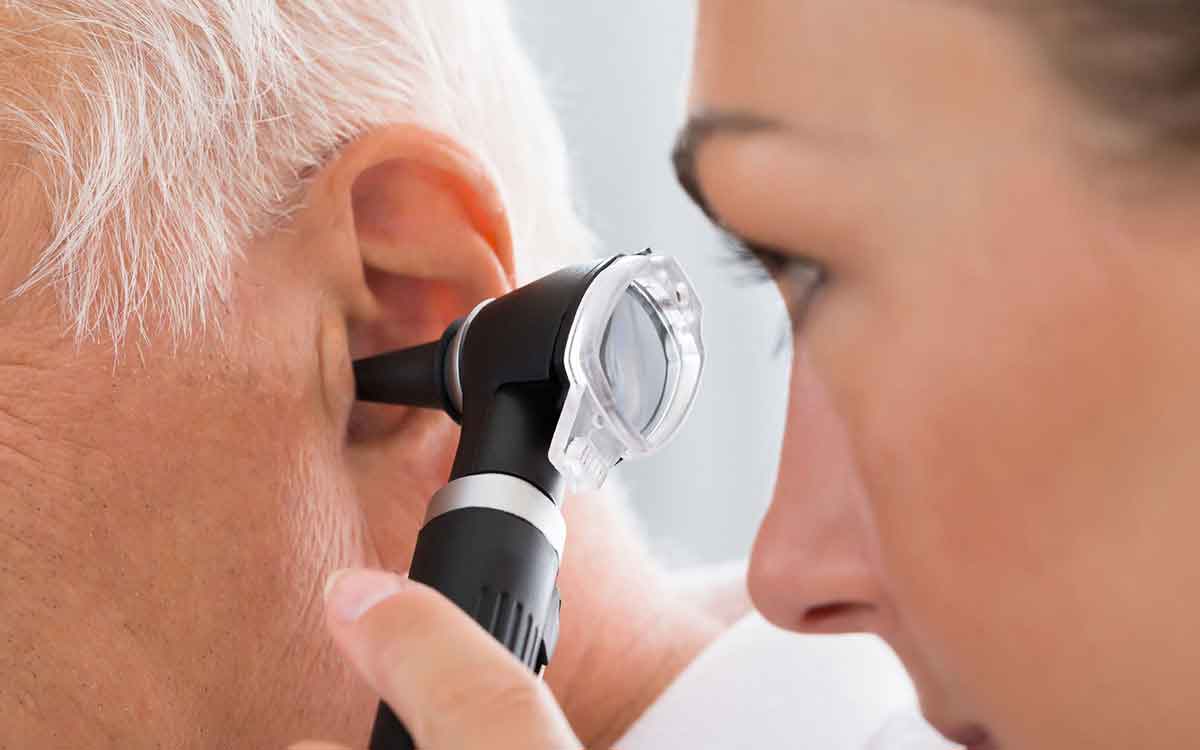
Hearing loss often develops gradually, which results in it being overlooked during the preliminary stages. Many people adjust without realizing it by increasing the TV volume, requesting frequent repetitions, or avoiding loud environments.
Arranging an early evaluation facilitates efforts to maintain auditory function, enhance interpersonal dialogue, and protect overall quality of life.
Recognizing Typical Early-Stage Hearing Loss Symptoms
If you identify any of these indicators, consider arranging an audiological evaluation to establish a baseline.
- Difficulty understanding conversations, particularly in crowded settings with significant background noise.
- Frequently requesting others to clarify their statements.
- Muffled or blurred vocalizations, making it difficult to distinguish specific sounds.
- Requiring higher volume levels for electronic devices than is typical.
- Trouble hearing higher-pitched sounds, including children’s voices, birds, or doorbells.
- The occurrence of tinnitus, manifesting as ringing or buzzing in the ears.
- Cerebral exhaustion following dialogue resulting from straining to follow speech.
- Withdrawing from social situations because conversations feel overwhelming.
Early symptoms are often unilateral or bilateral and can fluctuate at first. As a result of the brain’s ability to adjust, many patients remain unaware of their compensatory habits until the impairment advances.
Hearing Loss By The Numbers
Projection by the World Health Organization indicates that a vast population will face the requirement for auditory rehabilitation by mid-century. Other significant statistics involve:
- By 2050, approximately 2.5 billion people are projected to have various levels of hearing loss.
- More than five percent of the global community (roughly 430 million people) requires rehabilitation to manage disabling hearing loss.
- In excess of 1 billion young adults face the threat of irreversible hearing loss due to hazardous acoustic habits.
- Among those over the age of sixty, more than one-quarter have disabling hearing loss.
Why Timely Auditory Assessment Matters
Overlooking hearing changes can have broader physiological impacts that go unnoticed.
There is a clear association between untreated hearing loss and social challenges, including isolation and depression.
Recognizing changes early on promotes optimal results and varied therapeutic choices.
Audiological testing distinguishes between age-related decline, earwax blockage, or other health conditions.
Under certain conditions, hearing changes are temporary and reversible.
In permanent cases, the timely use of hearing protection or hearing technology assists in managing the condition.
When to See a Hearing Specialist
Professional consultation is suggested if you observe:
- Early signs last longer than a brief period.
- Difficulty hearing begins to impact professional tasks or personal routines.
- Experiences with acute hearing loss, dizziness, or persistent ringing warrant prompt clinical attention.
Hearing tests are comfortable and safe, plus they offer critical data into your hearing health.
We encourage you to reach out to our clinic if you believe a hearing assessment would be advantageous.
FAQ: Early Signs of Hearing Loss
Q: Is hearing loss always age-related?
Answer: Not necessarily. Although presbycusis is prevalent, auditory shifts can stem from noise trauma, ototoxic drugs, or genetic factors.
Q: Can hearing loss be reversed?
Answer: Specific causes, including earwax blockage, may be susceptible to reversal through treatment. While other forms are irreversible, they can usually be managed with professional treatment or hearing technology.
Q: At what intervals should I have my hearing evaluated?
Answer: It is recommended that adults obtain a baseline assessment by age 50, with earlier testing for those with specific risk factors.