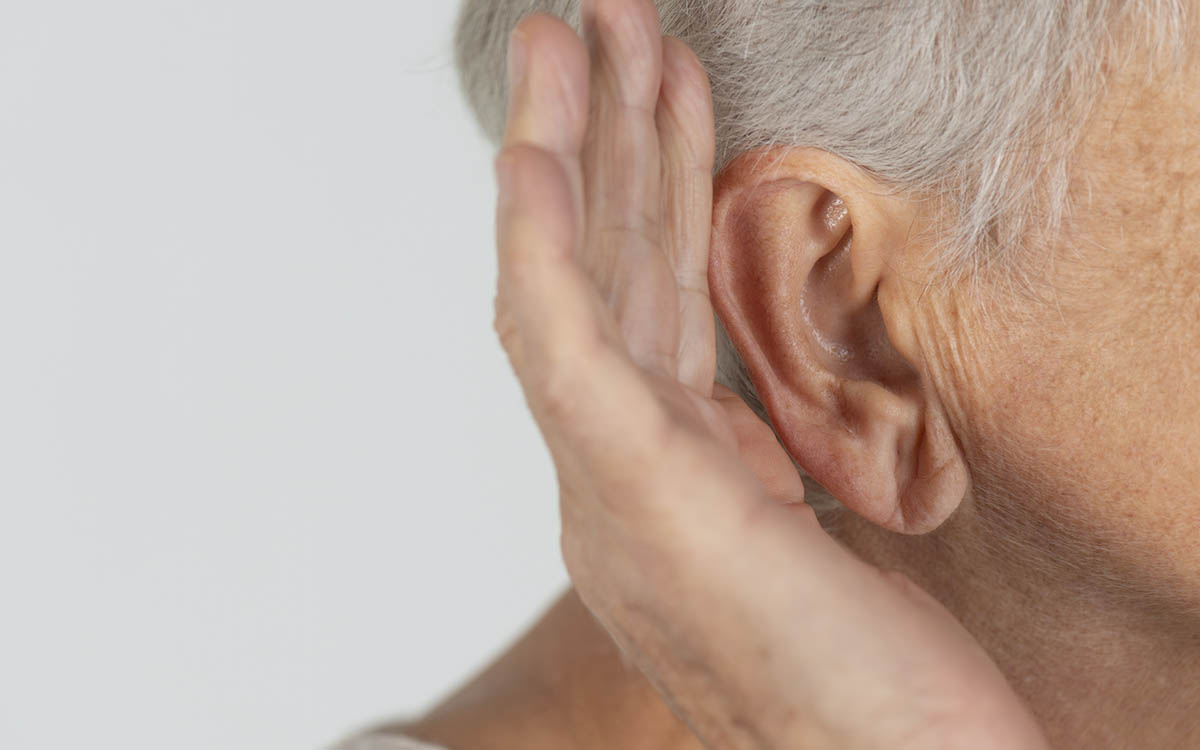
While many individuals correlate hearing loss with advancing age, but for millions of Americans, physiological damage begins at a younger age. Noise-induced hearing loss is one of the most common and preventable forms of damage to our hearing, advancing subtly and remaining undiagnosed until the clinical effects are permanent.
Comprehensive knowledge of how chronic noise exposure affects the ears is essential for implementing safeguards before significant hearing loss occurs.
Pathophysiology of Noise-Related Ear Damage
The pathology of noise-induced hearing loss involves trauma to the sensitive anatomical structures within the inner ear. Data from the CDC indicate that, sustained or frequent exposure to sounds exceeding 85 decibels, such as heavy traffic, can initiate auditory damage. Higher intensity sounds, including those generated by machinery, music venues, or firearms, may result in immediate damage.
Within the cochlea are specialized sensory structures referred to as hair cells. These units are responsible for translating sound waves into the electrical signals required for auditory perception. The inability of hair cells to regenerate after trauma explains why noise-induced hearing loss results in a permanent auditory deficit.
The Progression of Ear Damage
The insidious nature of noise-induced hearing loss is highlighted by its gradual developmental timeline. Initial clinical indicators of sound-induced trauma may involve:
- Short-term episodes of Tinnitus or buzzing within the ears
- Subjective hearing attenuation or muffling after high-decibel events
- Impaired speech discrimination in the presence of background noise
While these preliminary indicators may dissipate, this should not be mistaken for complete physiological recovery. In reality, repeated noise exposure continues to injure inner-ear structures, incrementally diminishing auditory acuity and threshold sensitivity.
The Hearing Loss Association of America reports that approximately 48 million Americans experience some degree of hearing loss, frequently with unidentified etiology.
Recognizing Daily Sound Hazards to Ear Health
We live in a noisy world, and it’s easy to become desensitized to loud sounds. Consequently, the frequency of hazardous noise exposure is often underestimated.
Commonly encountered risks include:
- Concert settings and loud musical performances
- Personal audio devices utilized at excessive decibel levels
- Motorized landscaping equipment, power machinery, and vehicles
- Industrial workplace environments such as warehouses and construction sites
Due to the routine nature of these sounds, auditory injury may accrue in the absence of overt symptoms.
The Reason Preventive Efforts Remain a Critical Priority
Noise-induced hearing loss is physiologically irreversible, unlike many other health impairments. Despite its permanence, the condition is significantly preventable. Risk reduction can be achieved through fundamental protective habits, including:
- Utilizing hearing protection devices like earplugs in noisy settings
- Modulating audio output levels and observing 60/60 rule constraints
- Taking listening breaks to give your ears time to recover
- Arranging for routine Audiology assessments if noise exposure is frequent
When to Schedule Professional Auditory Assessments
Patients observing ongoing Tinnitus, challenges in conversation, or shifts in auditory acuity should contact an Audiologist. Early assessment is critical for monitoring, education, and the development of protective strategies to help preserve your hearing.
Prioritizing auditory health now ensures the preservation of hearing clarity for the future. Noise may be unavoidable, but hearing loss doesn’t have to be!. Contact us to coordinate a comprehensive evaluation and ensure your auditory system is functioning at its peak.