What causes that peculiar, unprompted sound that feels like ambient static or trapped air whispering in your ears? Why is this disruptive acoustic phenomenon completely silent to everyone else? You are not inventing these symptoms; the sensation is entirely real. Happily, you are likely not suffering from “phantom ring syndrome,” a modern behavioral manifestation where […]
It’s been a long day, and there’s nothing you’re looking forward to more than a good night’s sleep. The moment you settle beneath the covers and the household settles into silence, an intrusive phantom noise suddenly commands your full attention. Should your phantom ear noises seem much more severe at bedtime, rest assured that this […]
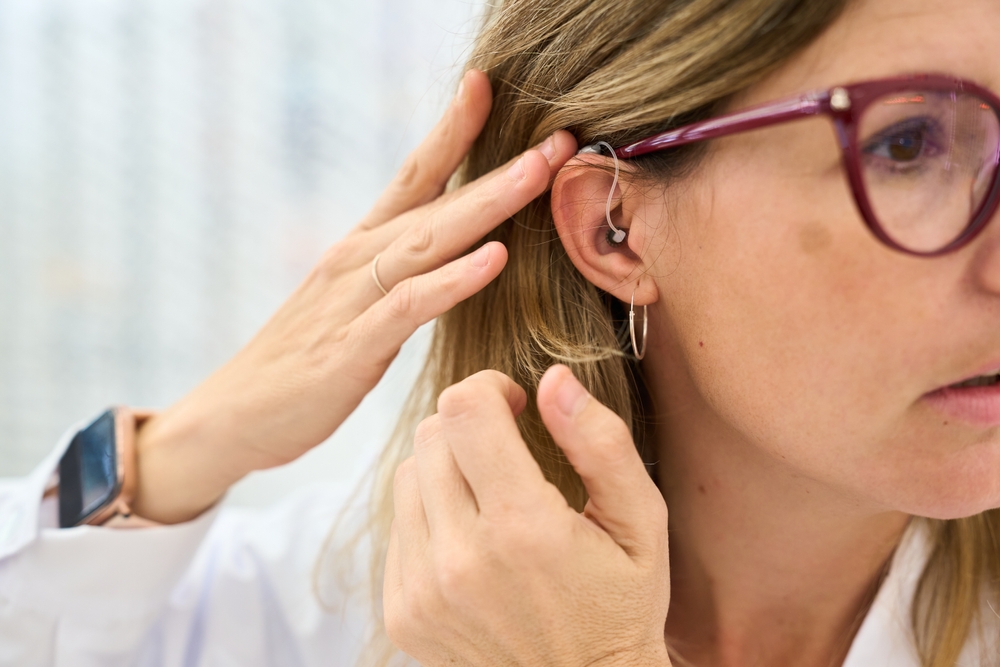
It is incredibly common for individuals to resist getting hearing instruments simply because they dread a bulky appearance or an uncomfortable fit. This hesitation is entirely valid given historical product designs! In various scenarios, patients expressed fear that wearing an obvious device would cause peers to omit them from casual conversations due to perceived listening […]
For individuals evaluating advanced auditory technology, the upfront capital required is frequently the first noticeable factor. Based on the sophistication of the digital signal processing and the required audiometric programming, these devices span a wide pricing spectrum. For many patients, this sudden realization can cause hesitation and create an artificial barrier to necessary intervention. Although […]
Does Medicare cover hearing aids? The honest answer is: No. You will not find hearing aid coverage through Original Medicare. We recognize this is frustrating, and many patients find this lack of coverage unexpected. On the bright side, you have other alternatives to consider. Options such as Medicare Advantage plans, flexible financing, and secondary benefits […]
It is increasingly uncommon to observe a young adult in a public setting without an earbud in place. Headphones are a bit more cumbersome, but teens still find them a way to escape from their surroundings. We all enjoy listening to music, no matter our age, but younger people rely on music to pass the […]
Most people think of hearing as something the ears do, which is partly true. However, the ability to perceive sound is equally dependent on the auditory cortex as it is on the physical ear. Cognitive hearing represents the neurological bridge between detecting a frequency and understanding a message. As an illustration, you may perceive the […]
It is common knowledge that ears detect sound, yet the central nervous system is what truly allows us to hear. While the ears capture raw acoustic vibrations, the brain performs the heavy lifting of decoding them into language and thought. When hearing loss develops, the brain receives less information about sound. Sustained lack of neural […]
Do you often experience profound mental depletion following extended dialogue or crowded social events? It is easy to misattribute this fatigue to general stress, lack of sleep, or sensory overload. It is well-documented that social interaction requires significant energy for introverts and those with sensory integration challenges. However, in many clinical scenarios, the underlying driver […]
Although hearing loss affects a vast demographic, false narratives continue to obstruct the path to effective ear care. When managing hearing loss, timely intervention is a fundamental requirement for long-term health. Subscribing to auditory misinformation can hinder treatment timelines and compromise social connectivity. Separating hearing truths from common fallacies provides the confidence needed to address […]